Posts

Showing posts with the label bird feeder

How Can We Encourage More Birds Into Our Gardens?

Image
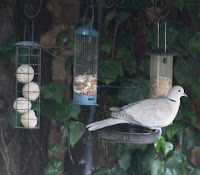
There is nothing quite like the quiet joy of watching birds in your own garden.   The RSPB Big Bird Watch results for 2018 show that smaller birds are increasing in numbers in our gardens.   Goldfinches are up 11% on 2017’s numbers, and greenfinches are up 5% which is really pleasing.   Long-tailed tits and coal tits are also increasingly seen.   But perennial favourites robins and blackbirds had lower numbers reported this year.   So how can we encourage more birds into our gardens?   Your Garden as an Ecosystem You will get an increase of visitors with a well supplied table or feeder, but to make a garden more inviting to birds year round a long term approach is needed.   Our human idea of a beautifully manicured formal garden with decking and a wooden fence all round is sadly unattractive to wildlife.   But most of us need our gardens to be family and pet friendly spaces where we entertain and enjoy our summer.   Happily there can ...
Are Garden Feeders Harming Bird Populations?

Image
ZSL and BTO published their joint report on the health of our garden birds this week.   Could it be that we are inadvertently harming our garden visitors? They had some interesting findings about two diseases in particular. Finch trichomonosis is a protozoal infection which causes laboured breathing, difficulty swallowing and drooling.   Infected birds are thin and emaciated, and sometimes have matted, wet looking plumage around the face and beak.   It mostly affects greenfinch and chaffinch but any flock forming seed feeder is susceptible. It is believed that trichomonosis is responsible for a 60% reduction in the breeding greenfinch population since 2006.   It is spread through food or water that is contaminated by an infected bird, though the protozoa can not survive for long outside the host. Passerine Salmonellosis doesn’t show any characteristic symptoms, but birds are lethargic with fluffed plumage, and emaciated.   Like trichomonosis, it affects...